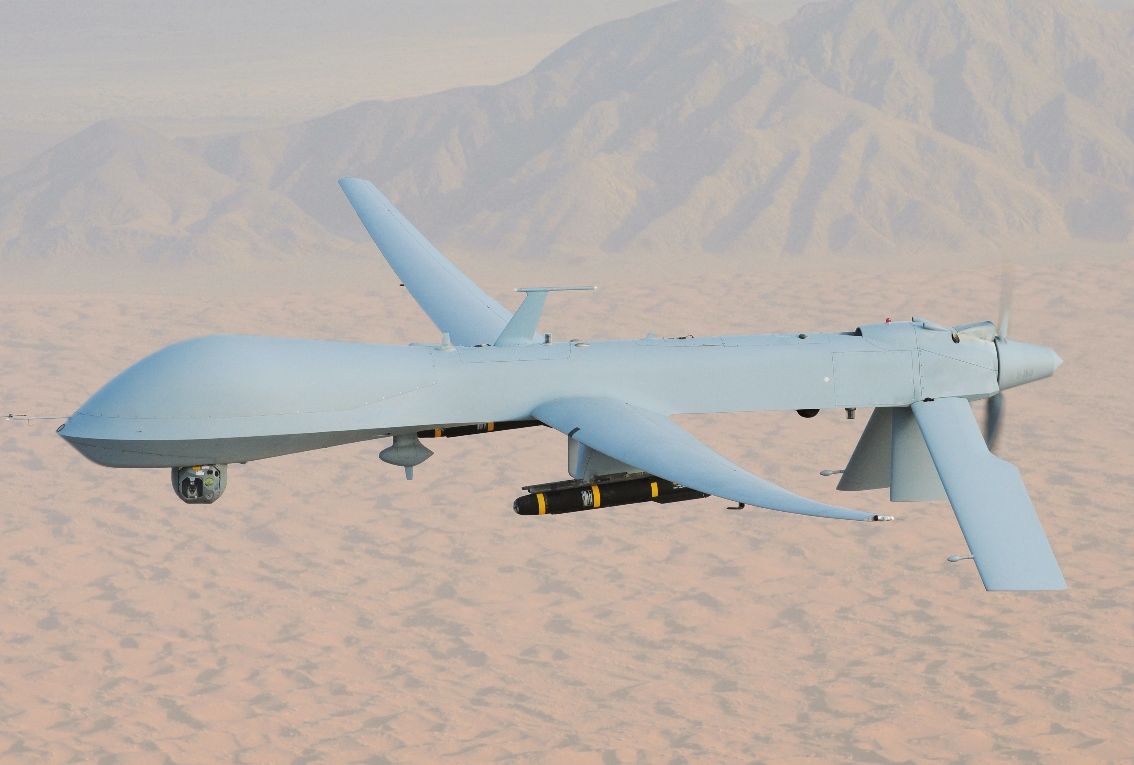
A central conceit of the crypto community is that cryptocurrency is immune from government seizure. We've heard heartwarming stories of girls who escaped the Taliban with memorized seed phrases and were able to start new lives abroad. Yes, in a very narrow, specific and literal sense, an oppressive government can't force you to give up the keys to your crypto in the same way that they can confiscate gold from your house or seize funds from your bank account. But governments are already so powerful that they don't need to. In the case of escaping deadly regimes, owning cryptocurrency is only useful if the regime isn't aware that you have it. If the Taliban knows the refugees have crypto they will be tortured until they give up the funds, just as surely as if they were carrying cash. Meanwhile, democratic governments may not torture you for your seed phrases – they have other means at their disposal. The government can say that you owe them money, and then if you don't pay up, they will take your stuff, or men with guns will come and put you in jail. In the case of the Canadian trucker protests, the government can't confiscate your bitcoin, but they will make it illegal for anyone to do business with you, so good luck buying food, clothes or fuel. Despite their fear of big government, crypto bros actually underestimate the tremendous reach of even democratic governments. Abdulrahman Anwar al-Awlaki was a 16yo US citizen from Denver who was killed when President Obama ordered a drone airstrike on an outdoor restaurant in Yemen. If only he'd had a bitcoin wallet.
Here's an opposing view. I just don't think it meaningfully holds up in the case of the US, which is just so powerful. A fraction of the defense budget would be enough to take over any proof of work network.